
Sydney’s urban landscape is undergoing change, yet trees remain at the heart of local communities. When trees become potential hazards or face decline, removal can be the safest and most sensible solution. Drawing on industry statistics and expert insights, this guide outlines five key situations when tree removal is recommended in our Sydney environment.
1. When Trees Pose a Safety Risk to People and Property
Hazardous Branches and Structural Weakness
Old trees and those affected by disease often develop brittle branches that can snap without warning. During heavy winds or storms, these weakened limbs may become dangerous projectiles, posing serious risks to people and property. While regular inspections by qualified arborists can help identify potential hazards early, extensive structural damage often makes Sydney tree removal the safest and most responsible solution.
Local communities across Sydney have already experienced a rise in hazardous tree incidents. Rachel, a resident of Parramatta, noted that her Local Government Area lost more than 900 trees in just nine months—highlighting how quickly tree-related risks can escalate when underlying structural issues go untreated and timely Sydney tree removal is delayed.
Important Considerations for Safety
Assess the tree’s location and proximity to high-traffic areas. Trees near playgrounds, busy streets, or essential infrastructure require special attention. When a tree is leaning precariously or its base has become unstable, the risk to people and building foundations escalates.
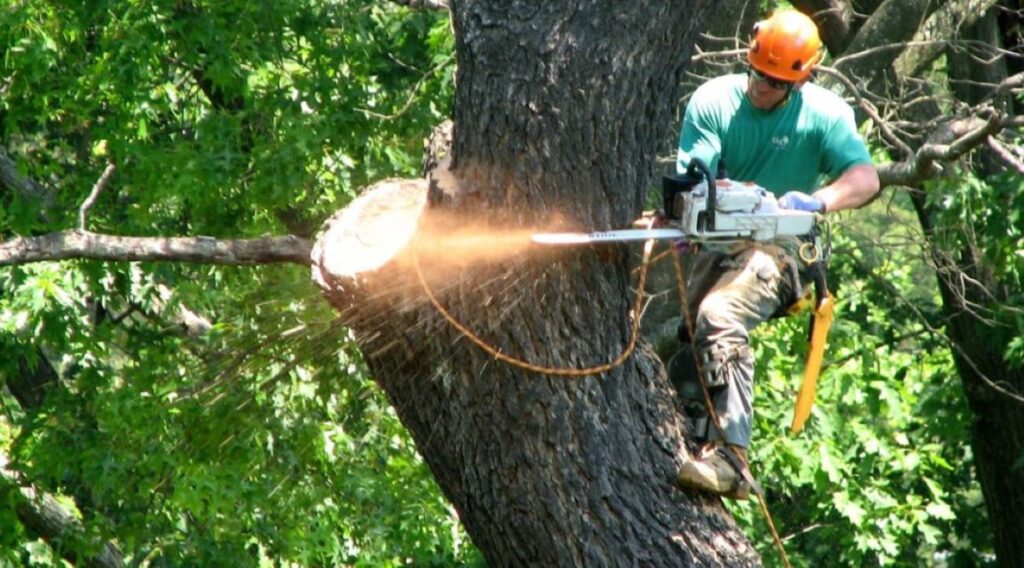
Workers specialising in tree removal follow strict safety protocols. They provide essential support for dealing with tall, precariously placed trees and offer professional advice about when removal becomes non-negotiable. In many cases, safety concerns override the sentimental value attached to mature trees.
Balancing Preservation with Wellbeing
The decision to remove a tree should balance environmental benefits with public safety. In Sydney, the average cost for tree removal ranges from $350 to over $10,000, subject to the challenges posed by the situation. Prioritising safety is not just a personal decision-it’s a community-based one.
Public authorities and tree services like Priority Tree Service and Expert Tree Removal Pty Ltd work together with councils across the state. They consider both immediate safety risks and long-term environmental impacts when approving tree removals.
2. When Trees Are Severely Diseased or Infested
Disease Spread and Ecological Imbalance
Infected trees can become a breeding ground for pests and diseases. When a tree falls victim to fungi or invasive insects, the risks extend beyond the individual tree. The entire landscape can be compromised, leading to a broader ecological imbalance within urban areas.
Reports indicate that urban tree canopy in Sydney has declined from 23.5% to 20.3% between 2020 and 2025. This rapid decrease partly arises from widespread infested and diseased trees, which require removal to prevent further spread of infection.
Managing the Spread of Pests
Removing diseased trees helps stop pest infestations from jumping from one host to another. A healthy green cover is essential for supporting Sydney’s unique fauna corridors, yet diseased trees can jeopardise these delicate ecosystems.
As ecologists note, there has been a 7% drop in urban fauna corridors in correlation with the decline of tree canopy. Implementing tree removals as a measure against diseases is a critical step in preserving both urban greenery and local wildlife habitats.
Health and Environmental Aftercare
Once a tree has been removed because of disease, the area should be meticulously treated to prevent soil contamination and provide a safe pathway for new plant growth. This rehabilitation includes proper removal of infected material and a review of adjacent trees’ health.
Tree removal specialists use targeted treatments to ensure that the risk of further spread is minimised. Adopting a proactive approach in managing tree diseases fosters a long-lasting, healthier urban ecosystem, benefiting both human and wildlife populations.
3. When Trees Compromise Infrastructure or Business Operations
Interference with Power Lines and Structures
In many Sydney suburbs, trees grow near power lines, roads, and buildings. Over time, as trees continue to grow naturally, branches can encroach into electrical infrastructures. This intrusion may not only cause power outages, but also poses a risk to workers repairing the lines.
Instances of trees interfering with power lines are not uncommon. Reports from various service providers emphasise that careful planning is required to avert damage to electrical grids and urban structures, making removal a necessary action to protect vital services.
Impact on Business and Urban Development
Urban development projects sometimes require the removal of trees that stand in conflict with new infrastructure. Businesses may find that an overgrown canopy is detrimental to maintaining clear lines for shipping docks, vehicular traffic, or new commercial ventures.
Urban areas now contribute to 18% of NSW’s total tree loss. This shift from rural to urban land clearing indicates that as the city grows, addressing infrastructure integrity is critical. City planners and arborists often work collaboratively to gauge the necessity of removal versus natural preservation. You may like to visit https://www.planningportal.nsw.gov.au/development-and-assessment/planning-approval-pathways/complying-development/tree-removal-and-protection to get more about tree removal and protection.
Minimising Risks During Urban Expansion
When trees threaten the stability of urban infrastructure, there’s an inherent pressure to act swiftly. Comparisons of tree removal quotes from platforms such as Go Tree Quotes reveal an average saving of 28% when multiple quotes are considered, ensuring that economic viability accompanies safety.
By addressing trees that compromise structural foundations or needed clearances well in advance, urban planners not only protect investments but also facilitate smoother transitions during urban redevelopment. Specialist contractors are equipped with the right tools and techniques to carry out safe removals while minimising collateral impacts.
4. When Trees Become a Nuisance in Urban Planning
Managing Overgrowth in High-Density Areas
As Sydney expands, space becomes a premium, particularly in dense residential and commercial areas. Overgrown trees can obstruct sightlines, reduce space efficiency, and sometimes even block access to emergency services. Removal may become the only option to optimise space and utility.
Trees that once offered a pleasant view can gradually hinder the effective use of property. Urban planners must sometimes make challenging decisions, prioritising community needs and safety over continuing to maintain a tree that has become more hindrance than asset.
Urban Redevelopment and Site Optimisation
In redevelopment scenarios, trees may hinder the kind of modern infrastructure and community services that evolving urban areas demand. In certain instances, preserving a particular mature tree is less critical than ensuring the overall functionality and vitality of a neighbourhood.
Clients are advised to consult with professional arborists who can map out the urban green cover while taking into account the safety and efficiency of the site. Such negotiations ensure that the benefits of increased development outweigh any potential losses, sustaining a balanced urban environment.
Integrating New Green Solutions Post-Removal
When tree removal is chosen to meet urban planning demands, the focus often shifts to integrating new green solutions. Landscaping experts might replant with species that are better suited to modern urban demands, providing low-maintenance green cover that doesn’t interfere with infrastructure.
This approach not only keeps the environment sustainable but also demonstrates a commitment to maintaining Sydney’s reputation as a city inclusive of green spaces. The process helps maintain ecological balance while meeting the practical needs of urban development.
5. When Economic Considerations Outweigh Tree Preservation
The Financial Implications of Tree Maintenance
Maintaining some older trees can be costly. With average prices for tree removal in Sydney coming in at about $3,490, and with prices varying from $350 to over $10,000 according to the challenge, property owners may decide that long-term risks outweigh the costs of preservation. In certain cases, removal is more cost-effective than extensive remedial treatments to bring a tree back to a safe condition.
When budgets are tight, or when a tree’s maintenance becomes an overwhelming financial liability for a property owner, removal can become a prudent decision. Assessing the costs related to potential damages and liability is vital, and when expert advice points toward the benefits of removal, savings in the long term may well be substantial.
Weighing Community and Personal Investment
Community safety and personal finances intersect when it comes to managing trees. Sometimes, removal is a measured decision to prevent future financial pitfalls, such as property damage or legal liability stemming from injuries and incidents. Property owners and local councils alike have to consider holistic risk management.
The decision-making process benefits from practical comparisons and transparent estimates. Platforms like Go Tree Quotes empower Sydney residents by allowing them to compare multiple quotes and secure the best deals. This approach ensures that chosen services not only meet safety standards but also provide economic viability.
Long-term Planning for Sustainable Urban Forests
While the removal of trees due to economic reasons might seem counterintuitive in an age of increasing environmental awareness, careful planning ensures that such measures contribute to a healthier urban forest. By clearing a few problematic trees and reinvesting in carefully planned plantings, cities can rejuvenate their canopy in a controlled manner.
This reinvestment strategy opens opportunities for installing species with a lower maintenance burden that are more resilient to urban stressors. Coupled with advanced monitoring and timely interventions, cities like Sydney can maintain robust tree cover without incurring unnecessary costs described by rising removal statistics. Click here to get when is tree removal Sydney actually required by council rules?
Understanding the Broader Context of Tree Removal in Sydney
Urban Tree Canopy Trends
Recent studies indicate that Sydney’s urban tree canopy has seen significant declines. Between 2020 and 2025, the canopy shrank from 23.5% to 20.3%, highlighting the pressure on urban forestry in one of Australia’s busiest cities. This trend is not solely a result of uncontrolled growth or natural decline.
Factors including infrastructure demands, disease spread, and safety measures drive many of these decisions. By understanding these trends, residents and policymakers can better navigate the balance between tree preservation and removal, ensuring that urban green spaces remain both safe and sustainable.
The Role of Councils and Tree Services
Local councils have become increasingly involved in managing urban forestry. In 2025 alone, councils across NSW approved the removal of over 27,800 trees. This move, while controversial, reflects growing concerns about safety, disease, and urban management challenges.
Tree services such as Triple T Tree Services provide comprehensive assessments of tree health and risk. Their data informs council decisions, and their work often serves as a benchmark for other regional planning initiatives. This intertwined relationship helps communities make informed decisions based on expert evidence and firsthand experience.
Ecological and Environmental Implications
Every decision about tree removal resonates beyond the immediate visual impact. Ecologists point out that a decline in urban tree canopy jeopardises local fauna corridors – in Sydney, an estimated 7% drop in connectivity was linked to tree removal. Maintaining a balance between safety and environmental resilience has become a pressing priority for urban managers.
While tree removal can provide short-term safety benefits, it is essential to adopt a long-term perspective that considers reforestation and urban landscaping adjustments. These decisions are part of a broader move towards developing cities that are as safe and efficient as they are green and livable.
Additional Considerations and Final Thoughts
When to Consult an Arborist or Urban Planner
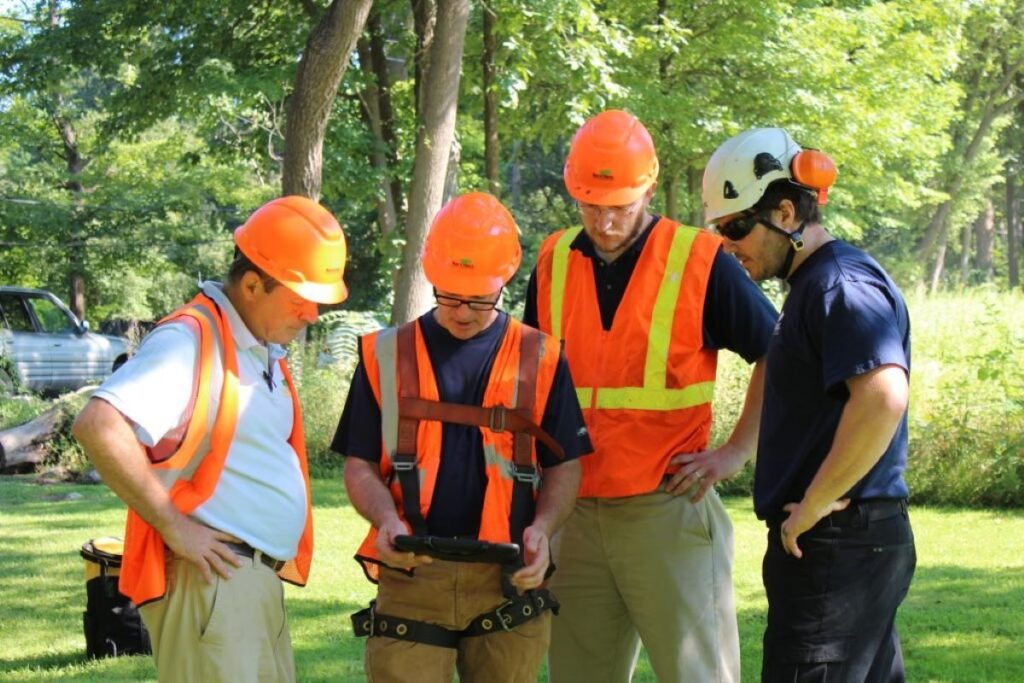
If uncertainty exists regarding a tree’s condition, consulting an experienced arborist is vital. Professionals carry the necessary tools and insights to determine whether removal is the optimal solution or if the tree can be rehabilitated safely with appropriate interventions.
Urban planners, too, play a crucial role in weighing the benefits and drawbacks of tree removal, especially when planning for future infrastructure or development projects. They consider environmental, economic, and community factors to help guide decisions that best serve public interests.
Prevention and Maintenance Strategies
Investing in routine tree assessments and maintenance can often prevent problems from escalating to the point of requiring removal. Regular pruning, treating for disease, and monitoring overall changes in the tree’s structure are proactive steps homeowners and councils can take.
Prevention may not always save every tree, but it reduces the risk of unexpected failures and potential hazards. By adopting a diligent maintenance routine, Sydney residents can extend a tree’s life, retain mature canopies, and create sustainable urban green spaces.
The Future of Urban Forestry in Sydney
Looking ahead, the challenge for Sydney is to integrate safe tree removal practices with a forward-thinking replanting strategy. Urban forests are a key part of the city’s identity; balancing removal with new green projects can mitigate the overall loss of tree cover.
Industry trends suggest that cities will increasingly lean on smart planning and digital tools to manage urban forestry. By comparing quotes, consulting with experts, and using community data, Sydney aims to create a resilient urban canopy that adapts to modern challenges while preserving heritage and public safety.
Ensuring a Balanced Urban Environment
Community Participation and Awareness
Residents have a say in shaping their neighbourhoods’ green spaces. Community meetings, public forums, and consultation sessions with arborists empower citizens to contribute to decisions on tree removal and replanting. Awareness of the reasons behind removals enriches community dialogue and fosters a collaborative approach.
When people understand the risks associated with deteriorating trees and the measures taken to safely remove them, resistance often turns to support for sustainable urban forestry. Sydney’s latest figures on tree removals emphasise the importance of community engagement in safeguarding public spaces.
Effective Communication Between Authorities and Residents
Clear communication ensures that residents understand why certain trees are being removed. Local governments are increasingly transparent about their methods, allowing residents to access detailed reports and expert opinions that back removal decisions.
This dialogue between authorities and communities helps balance the sometimes conflicting needs of urban safety and environmental preservation. When residents know that experts and planners are considering every angle-from safety risks to ecological impacts-they are more likely to trust the process.
Embracing a New Era for Urban Green Spaces
Sydney’s urban future is interwoven with the fate of its trees. With a blend of caution, economic sense, and environmental stewardship, local councils and tree services are paving the way for a sustainable and safe cityscape. Each tree removal is framed not only as a necessity but as a stepping stone towards a healthier urban ecosystem.
The removal of problematic trees enables the introduction of better-suited species. This strategy is proving that, when done right, tree removal can be an essential part of reimagining green spaces for thriving communities and resilient urban living.
Final Reflections on Safe Tree Removal
Recapitulating the Key Points
When trees become hazardous, diseased, or interfere with vital urban life, removal is not just a pragmatic choice-it is a necessity for maintaining safety and sustainability. Safety risks, disease spread, infrastructure challenges, urban planning issues, and economic considerations all contribute to the decision-making process.
Understanding the factors behind tree removal helps residents see that while the loss of a mature tree can be emotionally challenging, the priority remains public safety, efficient urban management, and long-term environmental sustainability.
Embracing Expert Advice and Data
The insights from local experts and statistical evidence highlight that responsible tree removal is a carefully weighed decision. It is based on monitoring tree health, managing risks, and understanding the broader implications on Sydney’s urban ecosystem. From the cost-effectiveness of removal services to the expert assessments by professionals like those from Triple T Tree Services, each decision is backed by sound data and practical considerations.
Adopting this data-driven approach ensures practices that are not only safe but also financially viable. The collaborative efforts among residents, councils, and tree services demonstrate that Sydney is well-equipped to address contemporary challenges in urban forestry.
Looking to a Sustainable Future
Tree removal, when approached strategically, can lay the groundwork for a renewed and more resilient urban canopy. The goal is to replace problematic trees with ones that offer similar environmental benefits without exposing communities to undue risk.
As Sydney continues to evolve, balancing tree preservation and removal will remain a dynamic challenge. Nonetheless, by employing thorough assessments, expert guidance, and an inclusive community approach, Sydney can safeguard its urban green spaces in a way that benefits current and future generations alike.
This comprehensive look into when tree removal is the safest option underscores the importance of measured, expert-led decisions. Sydney’s urban forestry journey is far from simple, but with informed choices, the city can maintain a rich, safe, and sustainable environment for everyone who calls it home.